In an era characterized by rapid technological advancements and evolving consumer preferences, the hospitality industry faces a multitude of challenges and opportunities. Amidst this landscape, the integration of artificial intelligence (AI) solutions has emerged as a transformative force, reshaping the way hotels, resorts, and other hospitality establishments operate and interact with guests. In this comprehensive article, we delve into the significance of AI solution for hospitality, exploring their myriad benefits, applications, and future implications.
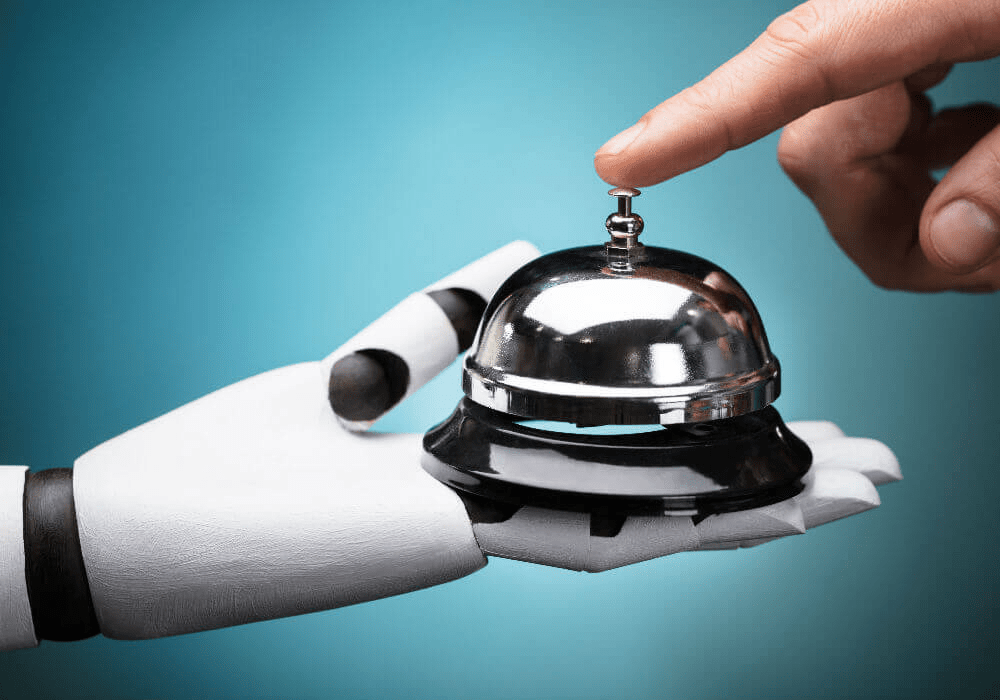
Introduction to AI in Hospitality
Artificial intelligence encompasses a broad spectrum of technologies and techniques aimed at simulating human-like intelligence in machines. In the context of hospitality, AI solution for hospitality leverage data analytics, machine learning, natural language processing, and other AI-driven algorithms to automate processes, personalize experiences, optimize operations, and enhance guest satisfaction. From personalized recommendations to predictive analytics, AI has become a cornerstone of modern hospitality management, empowering hoteliers to deliver exceptional service and stay ahead of the competition.
Enhancing Guest Experiences
One of the most significant contributions of AI solution for hospitality industry is their ability to enhance guest experiences. By analyzing vast amounts of data, including guest preferences, behaviors, and feedback, AI-powered systems can personalize interactions and tailor services to meet individual needs. From booking accommodations to accessing amenities and exploring local attractions, guests can enjoy seamless and personalized experiences throughout their stay. AI-driven chatbots and virtual assistants further enhance guest engagement by providing instant assistance and answering queries in real-time, thereby improving overall satisfaction and loyalty.
Optimizing Revenue Management
AI solution for hospitality plays a crucial role in revenue management, enabling hotels to optimize pricing strategies, forecast demand, and maximize profitability. Through advanced analytics and predictive modeling, AI algorithms can analyze historical booking data, market trends, competitor pricing, and other relevant factors to determine optimal pricing tiers and discounts. Dynamic pricing algorithms adjust rates in real-time based on demand fluctuations, seasonal trends, and availability, ensuring that hotels capture maximum revenue while maintaining price competitiveness. Moreover, AI-powered demand forecasting helps hotels allocate resources more efficiently, minimize inventory costs, and optimize revenue across various segments.
Streamlining Operations and Efficiency
AI solutions streamline operational workflows, automate routine tasks, and improve efficiency across various departments within a hotel. From housekeeping and maintenance to front desk operations and guest services, AI-driven systems can optimize resource allocation, schedule management, and task prioritization. Predictive maintenance algorithms analyze equipment data to detect anomalies and predict potential failures, allowing hotels to address maintenance issues proactively and minimize downtime. AI-powered inventory management systems optimize stock levels, reduce wastage, and streamline procurement processes, ensuring that essential supplies are always available when needed.
Personalized Marketing and Engagement
AI solution for hospitality enables hotels to deliver targeted marketing campaigns and personalized promotions tailored to individual guest preferences and behaviors. By analyzing guest data, including past bookings, demographics, and interactions, AI algorithms can identify trends, segment audiences, and create personalized marketing strategies. From personalized email campaigns to targeted advertisements and loyalty programs, hotels can engage with guests in meaningful ways, driving conversion rates and fostering long-term relationships. AI-powered recommendation engines suggest relevant products, services, and experiences based on guest profiles, enhancing cross-selling and upselling opportunities.
Predictive Analytics and Insights
AI solutions leverage predictive analytics to generate actionable insights and forecast future trends, enabling hotels to make data-driven decisions and stay ahead of the curve. By analyzing historical data and identifying patterns, AI algorithms can predict demand fluctuations, seasonal trends, and market dynamics, allowing hotels to adjust strategies and allocate resources accordingly. Predictive analytics also help hotels anticipate guest preferences, identify potential issues, and mitigate risks, thereby improving decision-making and operational efficiency. Moreover, AI-driven data analytics platforms provide real-time insights into guest behavior, market trends, and competitor performance, enabling hotels to adapt quickly and capitalize on emerging opportunities.
Improving Customer Service and Satisfaction
AI solution for hospitality enhances customer service and satisfaction by providing personalized assistance, resolving queries promptly, and anticipating guest needs. AI-powered chatbots and virtual assistants are available 24/7 to answer questions, make recommendations, and assist with bookings, providing instant support and reducing response times. Natural language processing (NLP) algorithms enable chatbots to understand and respond to guest inquiries in a conversational manner, enhancing the overall customer service experience. Moreover, sentiment analysis algorithms analyze guest feedback and social media mentions to gauge satisfaction levels and identify areas for improvement, enabling hotels to address concerns proactively and enhance service quality.
Facilitating Contactless and Touchless Experiences
In the wake of the COVID-19 pandemic, AI solutions have played a crucial role in facilitating contactless and touchless experiences to ensure guest safety and hygiene. AI-powered mobile apps enable guests to check-in, access rooms, and make payments digitally, minimizing physical contact and reducing the risk of transmission. Voice-activated assistants and smart room controls allow guests to control lights, temperature, and entertainment systems using voice commands, further enhancing convenience and minimizing touchpoints. Moreover, AI-driven analytics platforms enable hotels to monitor occupancy levels, enforce social distancing measures, and ensure compliance with health and safety protocols in real-time.
Future Implications and Trends
Looking ahead, the significance of AI solutions for hospitality is expected to grow exponentially as technology continues to evolve and consumer expectations evolve. Emerging trends such as the integration of AI with Internet of Things (IoT) devices, augmented reality (AR), and virtual reality (VR) technologies are poised to revolutionize guest experiences and operational efficiency. Moreover, advancements in natural language processing (NLP), computer vision, and machine learning are likely to further enhance the capabilities of AI-driven systems, enabling hotels to deliver hyper-personalized experiences and stay competitive in a rapidly changing landscape.
Conclusion
In conclusion, AI solutions have become indispensable tools for the hospitality industry, offering a wide range of benefits and opportunities for hotels, resorts, and other hospitality establishments. From enhancing guest experiences and optimizing revenue management to streamlining operations and improving customer service, AI-driven technologies empower hotels to deliver exceptional service, drive profitability, and stay ahead of the competition. As the adoption of AI continues to accelerate, hotels that embrace these technologies and leverage them effectively will be well-positioned to thrive in an increasingly competitive and dynamic market environment. With the right strategies and investments in AI solutions, hotels can unlock new levels of efficiency, innovation, and guest satisfaction, ensuring sustainable success in the years to come.
 Tech Diving Blog
Leave a comment