The hospitality industry has always been at the forefront of adopting new technologies to enhance customer experiences and streamline operations. In recent years, generative AI has emerged as a game-changing technology, offering innovative solutions to meet the evolving needs of guests and businesses alike. From personalized services to operational efficiency, generative AI is transforming the way hospitality operates. This article explores the various use cases of gen AI platforms in the hospitality industry, showcasing how this technology is being leveraged to create a competitive edge.
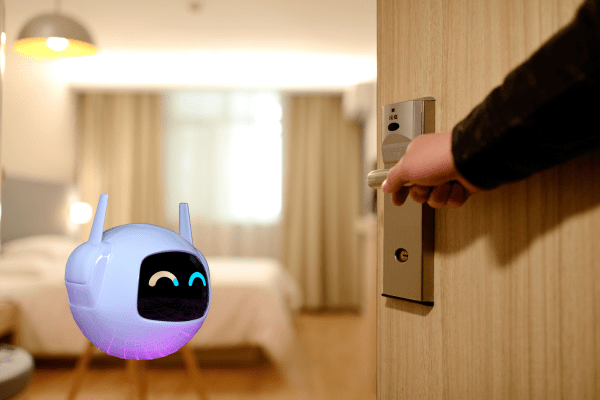
Introduction to Generative AI in Hospitality
Generative AI refers to artificial intelligence systems capable of creating new content, solutions, and experiences based on the data they analyze. Unlike traditional AI models that rely on predefined rules, generative AI can generate novel outputs, making it particularly valuable for industries that require creativity and personalization. In the hospitality industry, gen AI platform for hospitality is being used to enhance guest experiences, optimize operations, and drive business growth.
1. Personalized Guest Experiences
1.1 Customized Itineraries and Recommendations
One of the most impactful use cases of gen AI platform for hospitality is the ability to offer personalized itineraries and recommendations to guests. By analyzing past behaviors, preferences, and even social media activity, AI platforms can suggest tailored experiences, such as dining options, local attractions, and activities that align with individual tastes. This level of personalization not only enhances guest satisfaction but also increases the likelihood of repeat visits.
1.2 Dynamic Room Customization
Generative AI can also be used to customize hotel rooms based on guest preferences. For example, AI can adjust room settings such as lighting, temperature, and entertainment options according to the guest’s previous choices or stated preferences. This creates a highly personalized environment, making guests feel more comfortable and valued during their stay.
1.3 Personalized Communication
Hotels can utilize generative AI to personalize communication with guests, whether through email, SMS, or in-app messaging. AI-driven platforms can craft messages that resonate with individual guests, addressing them by name and offering relevant information or promotions. This approach not only enhances the guest experience but also improves engagement and conversion rates.
2. Operational Efficiency and Automation
2.1 Automated Check-In and Check-Out
Generative AI can streamline the check-in and check-out process by automating tasks that traditionally require human intervention. AI-powered kiosks and mobile apps allow guests to check in, select their rooms, and access hotel amenities without the need for front desk interaction. Similarly, AI can automate the check-out process, handling billing and feedback collection seamlessly.
2.2 Predictive Maintenance and Resource Management
Hotels rely on various systems and equipment to deliver services to guests. Generative AI can predict maintenance needs by analyzing data from sensors and historical records, preventing breakdowns before they occur. This predictive approach to maintenance ensures that all facilities are functioning optimally, reducing downtime and enhancing guest satisfaction. Additionally, AI can optimize resource management by predicting demand for amenities, staff, and supplies, leading to more efficient operations.
2.3 Automated Inventory Management
In the food and beverage sector of hospitality, inventory management is crucial for minimizing waste and ensuring fresh ingredients are always available. Generative AI can automate inventory tracking, predict usage patterns, and even place orders with suppliers. By doing so, it reduces the risk of stockouts or overstocking, thereby optimizing costs and ensuring that guests always receive high-quality service.
3. Enhancing Customer Service
3.1 AI-Powered Virtual Assistants
Virtual assistants powered by generative AI are transforming customer service in the hospitality industry. These AI-driven assistants can handle a wide range of tasks, from answering common questions to assisting with bookings and providing local recommendations. Available 24/7, these virtual assistants ensure that guests receive immediate and accurate responses, improving their overall experience.
3.2 Multilingual Support
The global nature of the hospitality industry requires communication across multiple languages. Generative AI platforms can provide real-time translation services, allowing staff to communicate effectively with international guests. This capability extends to translating menus, signage, and other guest-facing materials, ensuring that language barriers do not hinder the guest experience.
3.3 Sentiment Analysis for Customer Feedback
Collecting and analyzing customer feedback is essential for improving services. Generative AI can automate sentiment analysis, processing reviews, social media posts, and survey responses to gauge customer satisfaction. By identifying trends and potential issues, hotels can make data-driven decisions to enhance their offerings and address any areas of concern proactively.
4. Marketing and Brand Management
4.1 AI-Generated Marketing Campaigns
Generative AI platforms can create highly targeted marketing campaigns by analyzing customer data and market trends. AI can generate personalized content, such as emails, advertisements, and social media posts, that resonate with specific audience segments. This approach increases engagement, conversion rates, and brand loyalty by delivering relevant messages to the right people at the right time.
4.2 Predictive Analytics for Customer Retention
Understanding which customers are likely to return and which may not is crucial for maintaining high occupancy rates. Generative AI can analyze customer behavior and booking patterns to predict retention rates. Based on these insights, hotels can offer personalized promotions, loyalty programs, or exclusive discounts to encourage repeat visits, thereby improving customer retention and lifetime value.
4.3 Brand Reputation Management
In today’s digital age, maintaining a positive brand reputation is critical for success in the hospitality industry. Generative AI can monitor online reviews, social media mentions, and other digital platforms to assess brand sentiment. By identifying negative trends early, businesses can take proactive measures to address issues and protect their reputation.
5. Event Planning and Management
5.1 AI-Driven Event Customization
Event planning in hospitality often requires tailoring experiences to meet specific client needs. Generative AI can assist in creating customized event plans, from selecting venues to arranging catering and entertainment. AI-driven platforms can generate detailed proposals that align with the client’s vision, budget, and preferences, ensuring a memorable and successful event.
5.2 Real-Time Event Optimization
During events, generative AI can monitor various aspects, such as attendee engagement, social media activity, and logistical efficiency. By analyzing this data in real-time, AI platforms can suggest adjustments to improve the event’s success, whether by altering the schedule, changing the layout, or modifying the catering options.
5.3 Virtual and Hybrid Events
The rise of virtual and hybrid events has opened new opportunities for generative AI in the hospitality industry. AI can create immersive virtual environments, personalize content for different audience segments, and facilitate networking opportunities. These capabilities ensure that virtual attendees have an engaging and interactive experience, making hybrid events as successful as traditional in-person gatherings.
6. Food and Beverage Innovation
6.1 AI-Generated Menus and Recipes
Generative AI can analyze dietary trends, customer preferences, and nutritional information to create innovative menu items and recipes. This allows restaurants and hotels to offer unique culinary experiences that cater to diverse tastes and dietary requirements. Additionally, AI-generated menus can optimize ingredient usage, reduce waste, and introduce new dishes that keep the dining experience fresh and exciting.
6.2 Personalized Dining Experiences
AI can enhance the dining experience by offering personalized recommendations based on guest preferences. Whether it’s suggesting the perfect wine pairing or customizing a meal to accommodate dietary restrictions, generative AI ensures that guests receive a dining experience tailored to their individual tastes.
6.3 Supply Chain Optimization
Efficient supply chain management is critical for the success of food and beverage operations in hospitality. Generative AI can predict demand, optimize inventory levels, and identify the most cost-effective suppliers. By streamlining the supply chain, AI helps reduce waste, lower costs, and ensure that the freshest ingredients are always available to guests.
7. Data-Driven Decision Making
7.1 Predictive Analytics for Business Strategy
Generative AI provides hospitality businesses with valuable insights into market trends, customer behavior, and operational performance. By analyzing this data, hotels can make informed decisions about pricing strategies, marketing efforts, and service enhancements. Predictive analytics also help identify new opportunities for growth and innovation, ensuring that businesses stay competitive in a dynamic market.
7.2 Revenue Management Optimization
Revenue management is a critical aspect of hospitality operations, and generative AI offers advanced tools for optimizing pricing strategies. By analyzing historical data, market conditions, and customer preferences, AI platforms can suggest optimal pricing models that maximize revenue while maintaining high occupancy rates.
7.3 Enhancing Customer Insights
Generative AI can process vast amounts of customer data to uncover deep insights into guest preferences, behaviors, and needs. These insights can be used to personalize services, improve marketing strategies, and create experiences that resonate with guests, ultimately leading to higher satisfaction and loyalty.
8. Challenges and Considerations
8.1 Data Privacy and Security
The use of generative AI in hospitality involves processing large amounts of customer data, raising concerns about privacy and security. Hospitality businesses must ensure compliance with data protection regulations, such as GDPR, and implement robust security measures to protect guest information. Failure to do so can lead to legal repercussions and damage to the brand’s reputation.
8.2 Integration with Legacy Systems
Integrating generative AI with existing systems can be challenging, particularly for businesses with outdated technology. Hospitality companies must ensure that AI platforms are compatible with their current infrastructure and that employees are trained to use these new tools effectively. A phased approach to implementation can help mitigate potential disruptions and ensure a smooth transition.
8.3 Ethical Implications
The increasing use of AI in hospitality raises ethical questions, particularly around job displacement and decision-making transparency. While AI can automate many tasks, it is essential to strike a balance between efficiency and maintaining the human touch that is central to hospitality. Businesses should consider the ethical implications of AI adoption and ensure that they prioritize guest satisfaction and employee well-being.
9. Future Prospects of Generative AI in Hospitality
The future of generative AI in the hospitality industry holds exciting possibilities, as continuous advancements in AI technology promise to bring even more innovative applications. Here are some potential future developments:
9.1 Hyper-Personalization of Guest Experiences
As generative AI continues to evolve, it will enable an unprecedented level of hyper-personalization. AI systems will be able to anticipate guest needs and preferences with greater accuracy, providing tailored experiences even before guests articulate their desires. From personalized room designs to bespoke itineraries, the guest experience will become more intuitive and seamless.
9.2 Fully Automated Hospitality Services
The integration of generative AI with robotics and IoT (Internet of Things) devices could lead to fully automated hospitality services. Imagine a hotel where AI-driven robots handle everything from room service delivery to housekeeping, and smart devices automatically adjust settings based on guest behavior. This level of automation could drastically reduce operational costs while enhancing the consistency and quality of service.
9.3 AI-Driven Sustainability Initiatives
Generative AI can play a crucial role in promoting sustainability within the hospitality industry. Future AI platforms could analyze energy usage patterns, optimize resource consumption, and suggest sustainable practices that reduce the environmental footprint of hotels and restaurants. This not only aligns with the growing demand for eco-friendly practices but also helps businesses save on operational costs.
9.4 Integration of AI with Augmented Reality (AR) and Virtual Reality (VR)
The convergence of AI with AR and VR technologies could revolutionize the guest experience. Future AI platforms may generate immersive virtual environments for guests to explore before booking, or offer AR-guided tours of local attractions. These innovations could redefine how guests interact with hospitality services, providing a blend of virtual and real-world experiences that enhance their stay.
9.5 Predictive AI for Crisis Management
Generative AI could also be instrumental in crisis management within the hospitality industry. By analyzing global trends, market data, and guest behaviors, AI platforms could predict potential disruptions, such as pandemics, economic downturns, or natural disasters. This foresight would enable hospitality businesses to develop contingency plans and adapt quickly to changing circumstances, ensuring business continuity and resilience.
Conclusion
Generative AI platforms are rapidly transforming the hospitality industry, offering a wide array of use cases that enhance guest experiences, improve operational efficiency, and drive business growth. From personalized guest services and automated operations to advanced marketing strategies and event management, AI is becoming an integral part of the hospitality landscape.
As the technology continues to advance, the potential applications of generative AI in hospitality will only expand, offering even more innovative solutions to meet the ever-changing demands of the industry. However, with these advancements come challenges, including data privacy, ethical considerations, and the need for seamless integration with existing systems.
Hospitality businesses that successfully navigate these challenges and embrace the potential of generative AI will be well-positioned to lead the industry into the future, offering exceptional experiences that exceed guest expectations and set new standards for service excellence.
In conclusion, the adoption of generative AI in hospitality is not just a trend but a necessity for businesses that wish to stay competitive and innovative in a rapidly evolving market. By leveraging the power of AI, hospitality companies can unlock new opportunities for growth, enhance customer satisfaction, and ensure long-term success in an increasingly digital world.
 Tech Diving Blog
Leave a comment