Generative AI (Gen AI) is revolutionizing the manufacturing industry by enabling smarter, more efficient, and innovative production processes. As manufacturers embrace digital transformation, Gen AI solutions are becoming integral in optimizing operations, reducing costs, and enhancing product design. This article explores the key features of generative AI solutions in manufacturing, highlighting their impact on the industry and their potential to drive the future of production.
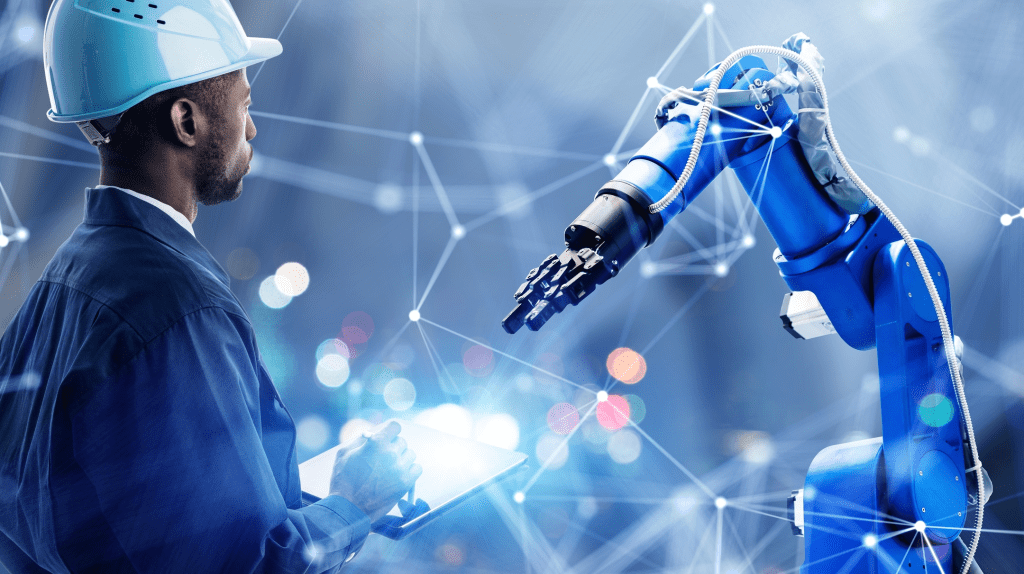
Introduction: The Role of Generative AI in Manufacturing
Generative AI is a subset of artificial intelligence that uses machine learning models to generate new data, designs, and solutions based on existing information. In manufacturing, Gen AI solutions for manufacturing are applied across various processes, from product design and development to supply chain optimization and predictive maintenance. These solutions leverage vast amounts of data to make intelligent decisions, improve efficiency, and foster innovation in production.
The Importance of Gen AI in Modern Manufacturing
In the competitive landscape of modern manufacturing, companies are under constant pressure to innovate, reduce costs, and increase efficiency. Generative AI solutions provide manufacturers with the tools needed to meet these demands by automating complex processes, predicting outcomes, and generating optimized designs. As manufacturing becomes more digital, the importance of Gen AI solution for manufacturing continues to grow, offering new opportunities for growth and innovation.
Key Features of Gen AI Solutions for Manufacturing
Gen AI solutions for manufacturing are equipped with various features that enable manufacturers to enhance their operations. These features are designed to address the unique challenges of the manufacturing industry, providing solutions that are both scalable and adaptable.
1. Advanced Design and Simulation Capabilities
Feature Overview: One of the most significant features of Gen AI in manufacturing is its ability to create advanced designs and simulations. By analyzing data from existing designs and processes, AI can generate new and optimized models, reducing the need for iterative testing and prototyping.
Impact on Manufacturing:
- Optimized Product Design: AI-driven tools can generate multiple design iterations based on predefined criteria, allowing engineers to choose the best option without manual intervention.
- Reduced Time-to-Market: By automating the design process, manufacturers can bring products to market faster, staying ahead of competitors.
- Enhanced Innovation: AI-generated designs often introduce novel approaches that may not have been considered by human designers, leading to innovative product solutions.
2. Predictive Maintenance and Failure Prevention
Feature Overview: Generative AI solutions excel in predictive maintenance, a crucial aspect of modern manufacturing. By analyzing sensor data and historical performance, AI can predict when equipment is likely to fail, allowing for timely maintenance and reducing downtime.
Impact on Manufacturing:
- Increased Equipment Lifespan: Predictive maintenance ensures that machinery is serviced before failure occurs, extending its operational life.
- Reduced Operational Costs: Preventing unexpected breakdowns helps manufacturers avoid costly repairs and production delays.
- Improved Safety: By identifying potential failures before they happen, AI-driven maintenance can prevent accidents and enhance workplace safety.
3. Supply Chain Optimization
Feature Overview: Gen AI solutions are transforming supply chain management by optimizing every stage of the process. AI can analyze vast amounts of data from suppliers, logistics, and market conditions to ensure that materials and products are delivered efficiently and cost-effectively.
Impact on Manufacturing:
- Streamlined Operations: AI can identify bottlenecks and inefficiencies in the supply chain, allowing manufacturers to make adjustments in real-time.
- Enhanced Supplier Relationships: By predicting demand and managing inventory levels, AI helps manufacturers maintain better relationships with suppliers and avoid stockouts or overproduction.
- Cost Reduction: Optimized supply chains reduce waste, minimize transportation costs, and ensure that resources are used efficiently.
4. Quality Control and Defect Detection
Feature Overview: Quality control is a critical aspect of manufacturing, and generative AI solutions are making it more precise and efficient. AI can analyze production data in real-time to detect defects and ensure that products meet quality standards before they reach the consumer.
Impact on Manufacturing:
- Improved Product Quality: AI-driven quality control systems can detect even the smallest defects, ensuring that only the best products leave the production line.
- Reduced Waste: By identifying defects early in the process, manufacturers can minimize waste and reduce the cost associated with rework or scrapping defective products.
- Increased Customer Satisfaction: Consistently high product quality leads to greater customer satisfaction and brand loyalty.
5. Energy Management and Sustainability
Feature Overview: Generative AI solutions are also playing a crucial role in energy management and sustainability within manufacturing. AI can optimize energy usage, reduce waste, and help manufacturers meet sustainability goals by analyzing energy consumption patterns and suggesting improvements.
Impact on Manufacturing:
- Energy Efficiency: AI can identify opportunities for energy savings, such as optimizing machine usage and reducing idle time, leading to lower energy costs.
- Sustainable Production: By minimizing waste and optimizing resource use, manufacturers can reduce their environmental impact and achieve sustainability targets.
- Cost Savings: Energy-efficient operations translate into significant cost savings, improving the overall profitability of manufacturing processes.
6. Process Automation and Workflow Optimization
Feature Overview: Automation is at the heart of generative AI solutions, enabling manufacturers to streamline workflows and increase productivity. AI can automate repetitive tasks, optimize production schedules, and manage complex workflows, allowing human workers to focus on higher-value activities.
Impact on Manufacturing:
- Increased Productivity: Automation reduces the need for manual intervention, allowing manufacturers to produce more in less time.
- Consistency and Accuracy: Automated processes ensure consistent output quality, reducing errors and variability in production.
- Labor Optimization: By automating low-skill tasks, manufacturers can allocate human resources to more strategic roles, improving overall workforce efficiency.
7. Real-Time Data Analytics and Decision-Making
Feature Overview: Gen AI solutions offer powerful data analytics capabilities, enabling manufacturers to make informed decisions in real-time. By analyzing production data, market trends, and consumer behavior, AI can provide insights that drive strategic decision-making.
Impact on Manufacturing:
- Data-Driven Decisions: Manufacturers can use AI-generated insights to make better decisions, from optimizing production schedules to launching new products.
- Competitive Advantage: Real-time analytics allow manufacturers to respond quickly to market changes, giving them a competitive edge.
- Enhanced Operational Efficiency: AI-driven insights help manufacturers identify areas for improvement, leading to more efficient and cost-effective operations.
8. Customization and Mass Personalization
Feature Overview: The ability to customize products to meet individual customer needs is becoming increasingly important in manufacturing. Generative AI enables mass personalization by allowing manufacturers to produce customized products at scale, without sacrificing efficiency or cost.
Impact on Manufacturing:
- Enhanced Customer Experience: Personalized products meet the specific needs and preferences of consumers, leading to greater satisfaction and loyalty.
- Increased Market Share: By offering customized products, manufacturers can differentiate themselves from competitors and capture a larger share of the market.
- Efficient Production: AI-driven customization processes ensure that personalized products are produced quickly and cost-effectively.
The Future of Generative AI in Manufacturing
As generative AI solutions continue to evolve, their impact on the manufacturing industry will only grow. Future advancements in AI technology will further enhance the features discussed above, leading to even greater efficiency, innovation, and competitiveness in the manufacturing sector.
Emerging Technologies and Trends
Looking ahead, several emerging technologies and trends are poised to shape the future of generative AI in manufacturing:
- AI-Driven Smart Factories: The concept of smart factories, where AI controls every aspect of production, will become more prevalent. These factories will be fully automated, self-optimizing, and capable of producing highly customized products on-demand.
- Integration with IoT: The integration of AI with the Internet of Things (IoT) will enable manufacturers to collect and analyze data from connected devices in real-time, leading to more efficient operations and better decision-making.
- Sustainable Manufacturing: AI will play a critical role in driving sustainability in manufacturing by optimizing resource use, reducing waste, and enabling the development of environmentally friendly products.
Challenges and Considerations
While the future of generative AI in manufacturing is promising, there are also challenges to consider:
- Data Privacy and Security: As AI solutions rely on vast amounts of data, ensuring the privacy and security of this data will be a top priority for manufacturers.
- Skill Gap: The adoption of AI in manufacturing will require a workforce with specialized skills in AI and data analytics, necessitating investments in training and education.
- Regulatory Compliance: Manufacturers will need to navigate complex regulatory environments as AI technology continues to evolve, ensuring compliance with industry standards and regulations.
Conclusion: Embracing the Future of Manufacturing with Generative AI
Generative AI solutions are set to redefine the manufacturing industry, offering unprecedented opportunities for innovation, efficiency, and competitiveness. By embracing these technologies, manufacturers can unlock new levels of productivity, quality, and sustainability, positioning themselves for success in the digital age. The future of manufacturing is here, and generative AI is leading the way.
 Tech Diving Blog
Leave a comment